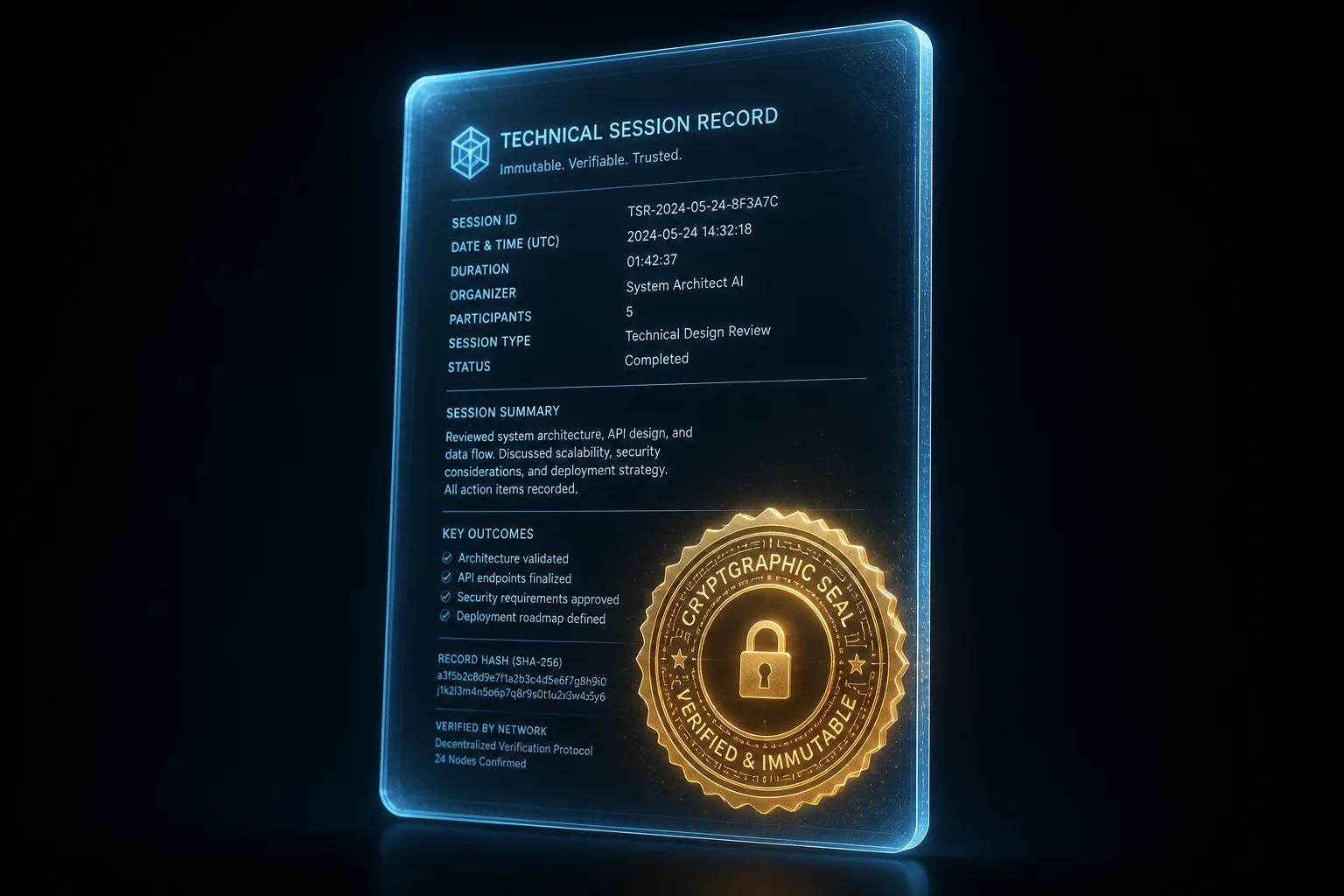
A clear session record connects the request, permission, approved device, participants, relevant actions, outcome, and closure. Keep it factual and concise so the user and any next technician can understand the boundary of the work.
Documentation Structure
Essential Elements of an Objective Post-Session Entry
Record the request and purpose, who approved access and when, the target device, participating technicians, start and end times, relevant actions, and any agreed scope changes. State what was confirmed and what remains unresolved.
A technician writes “fixed” and moves on. A second technician cannot tell which device was approved, whether permission expanded, or whether the connection ended. A useful record answers those questions without copying sensitive material.
Request, approved device, approver, permission scope, and participating technicians
Relevant actions and changes, including the approval for any expanded scope
Outcome confirmation, closure status, temporary tools, and any continuing managed access
Accurate session documentation is not bureaucratic overhead; it serves as the definitive boundary separating professional intervention from operational ambiguity.
— Sarah Jenkins, Technical Support Architecture Lead
Audit Integrity
Handling Diagnostic Artifacts and Temporary Credentials
Record whether temporary tools or access changes were removed or intentionally retained under approval. Exclude passwords, session codes, access tokens, private file contents, and unnecessary personal information from the record.
If a colleague joins, record their name, role, arrival and departure, the context transferred, and any new approval. If work remains open, state the next action and responsible person instead of implying that the whole case is complete.
Key Playbook Takeaways
Record specific actions, changed settings, and timestamp boundaries rather than generalized status updates.
Verify and log the explicit removal or revocation of all temporary tools and administrative credentials.
Maintain synchronized records accessible to both IT compliance personnel and the device owner.
SJ
Technical Standard Author
Sarah Jenkins
Sarah Jenkins is an IT infrastructure auditor specializing in remote session governance, secure endpoint workflows, and enterprise compliance architectures.
Share Article:
Tags:Session BoundariesAudit Trails
Editorial Inquiry
Strengthen Your Remote Support Standards
Have questions or insights regarding session boundary definitions and documentation protocols? Connect with our editorial team.