The User Is Present: What Changes?
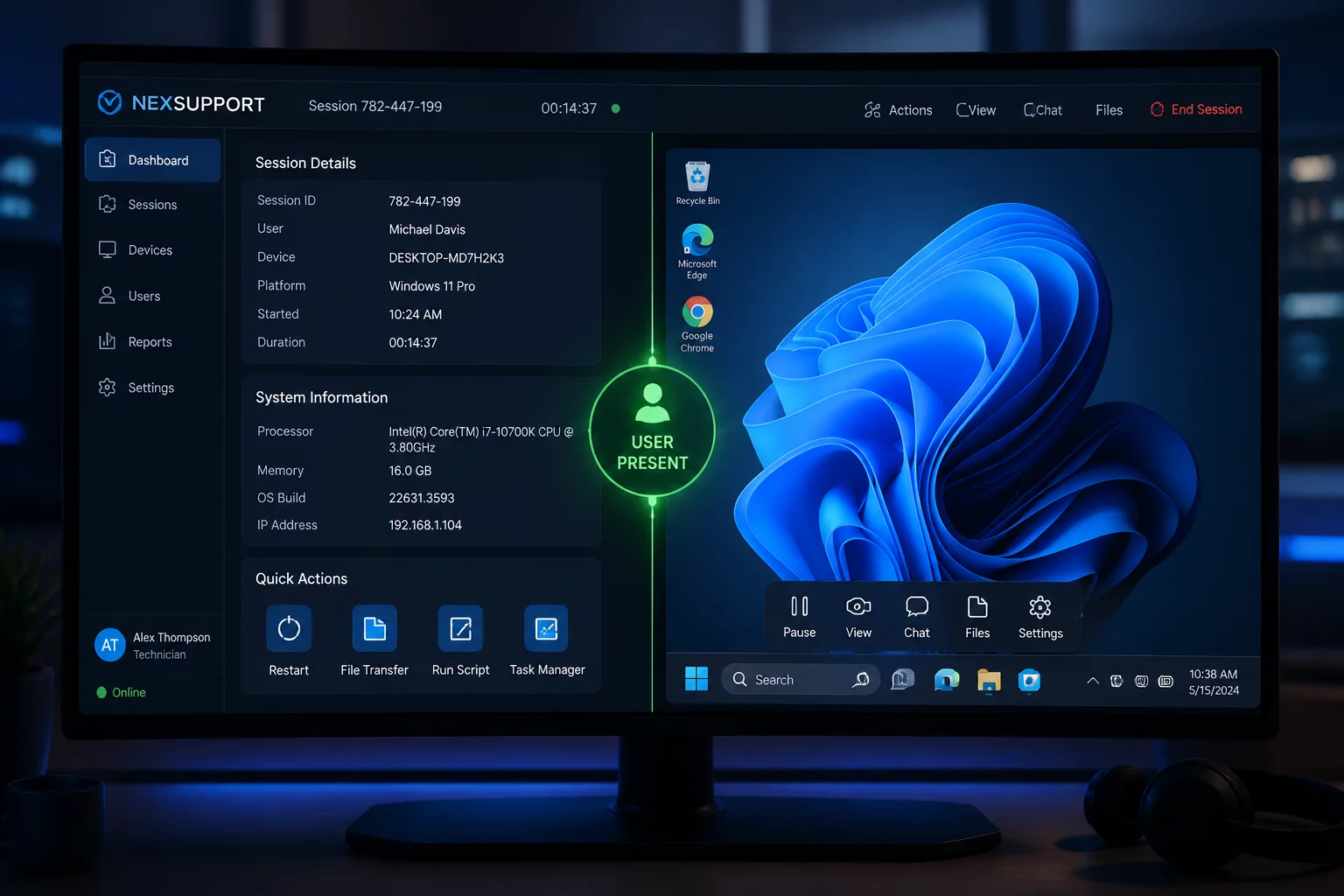
Analyzing the workflow changes when a user is actively observing the remote session.
Real-world operational scenarios exploring boundary verification, multi-agent escalation, scope confinement, and definitive termination.
Every remote session moves through distinct operational states. Review how scope, mutual awareness, and explicit authorization change across each critical phase.
Confirm who needs help, which device may be accessed, why access is needed, and which actions are allowed. Choose an attended or previously authorized unattended context.
Explain what is happening while access is active. If the device, task, privileges, or technician changes, pause and confirm whether the existing permission covers the change.
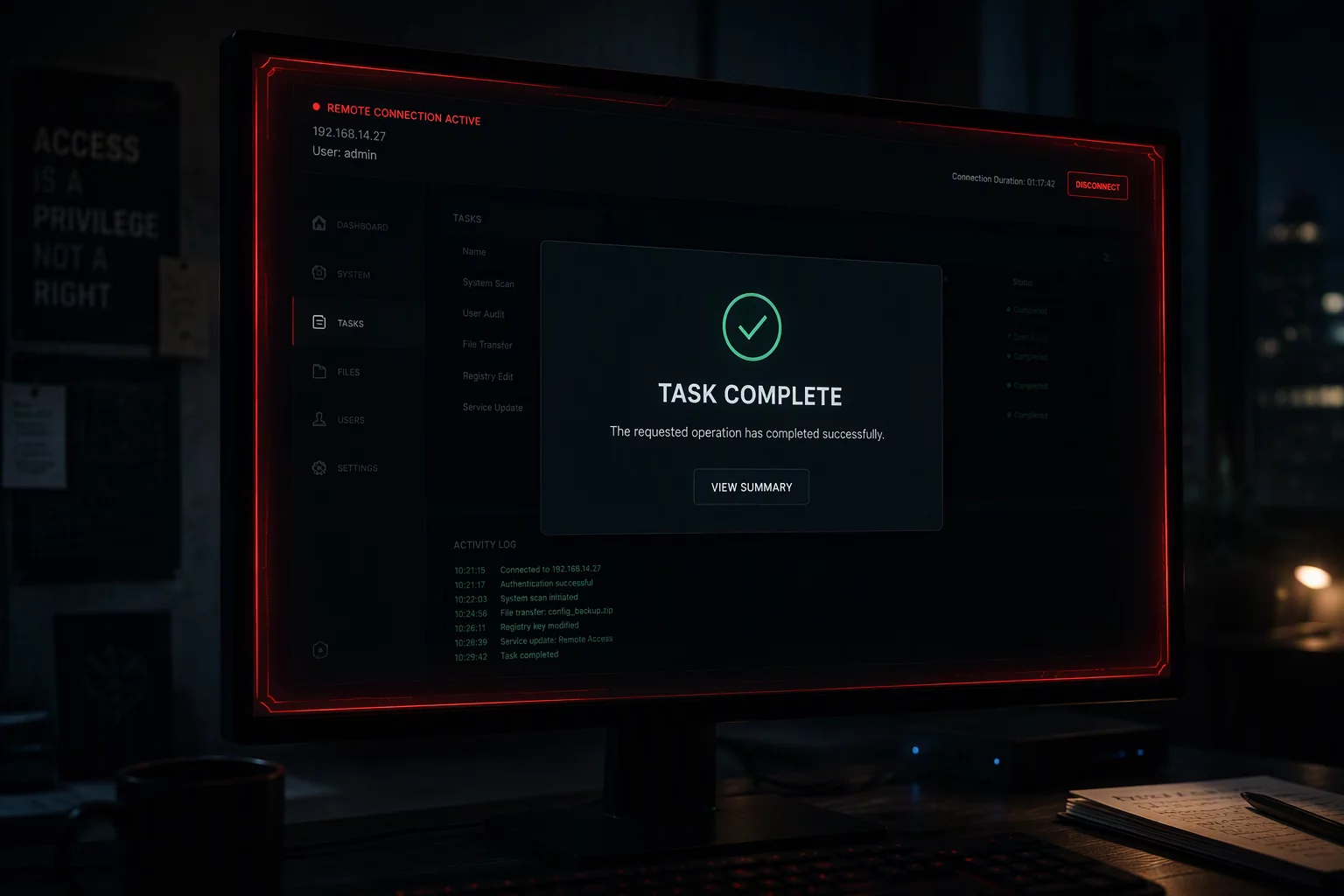
Check the result with the user or designated owner. End the active connection using the product’s documented controls and record what remains authorized, if anything.
Detailed technical breakdowns of common session boundary challenges and their standard resolutions.
Analyzing the workflow changes when a user is actively observing the remote session.
Clarifying the difference between a one-time 9-digit session code and an ongoing support agreement.
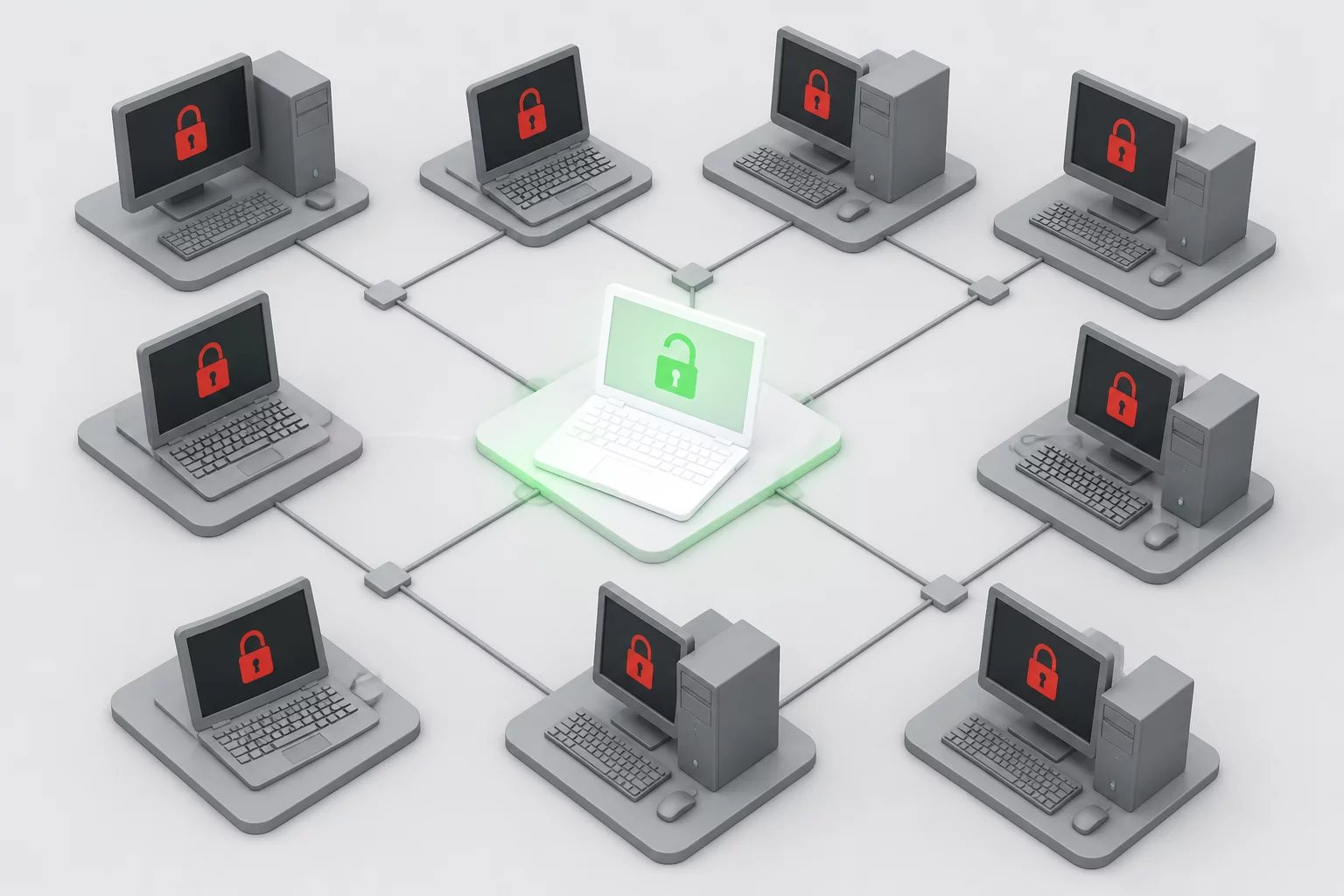
Discussing session scope and why access should be limited only to the relevant device.
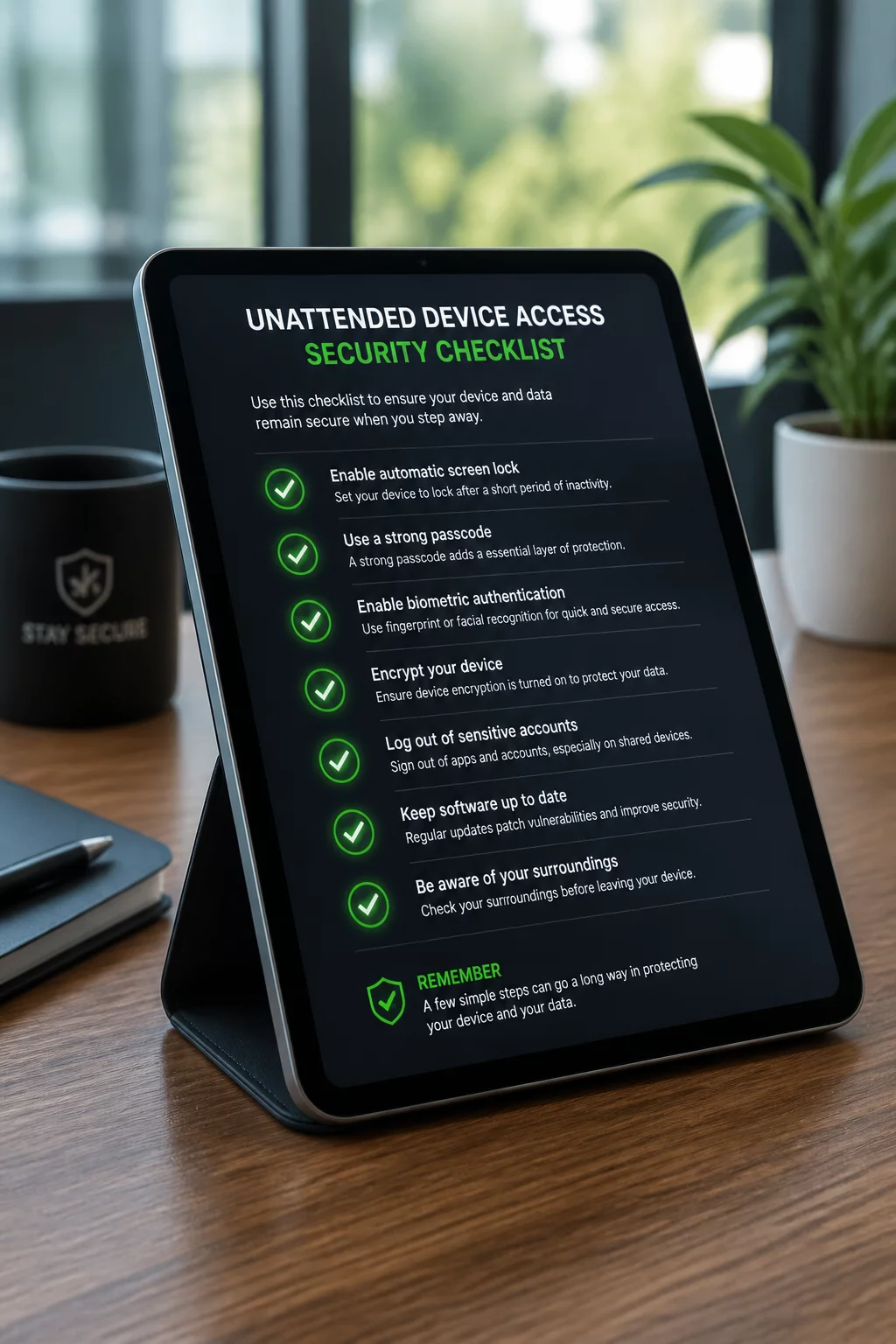
Checklist of authorizations required before establishing an unattended connection.
Case study on the security risks of failing to properly close a session after the task is complete.
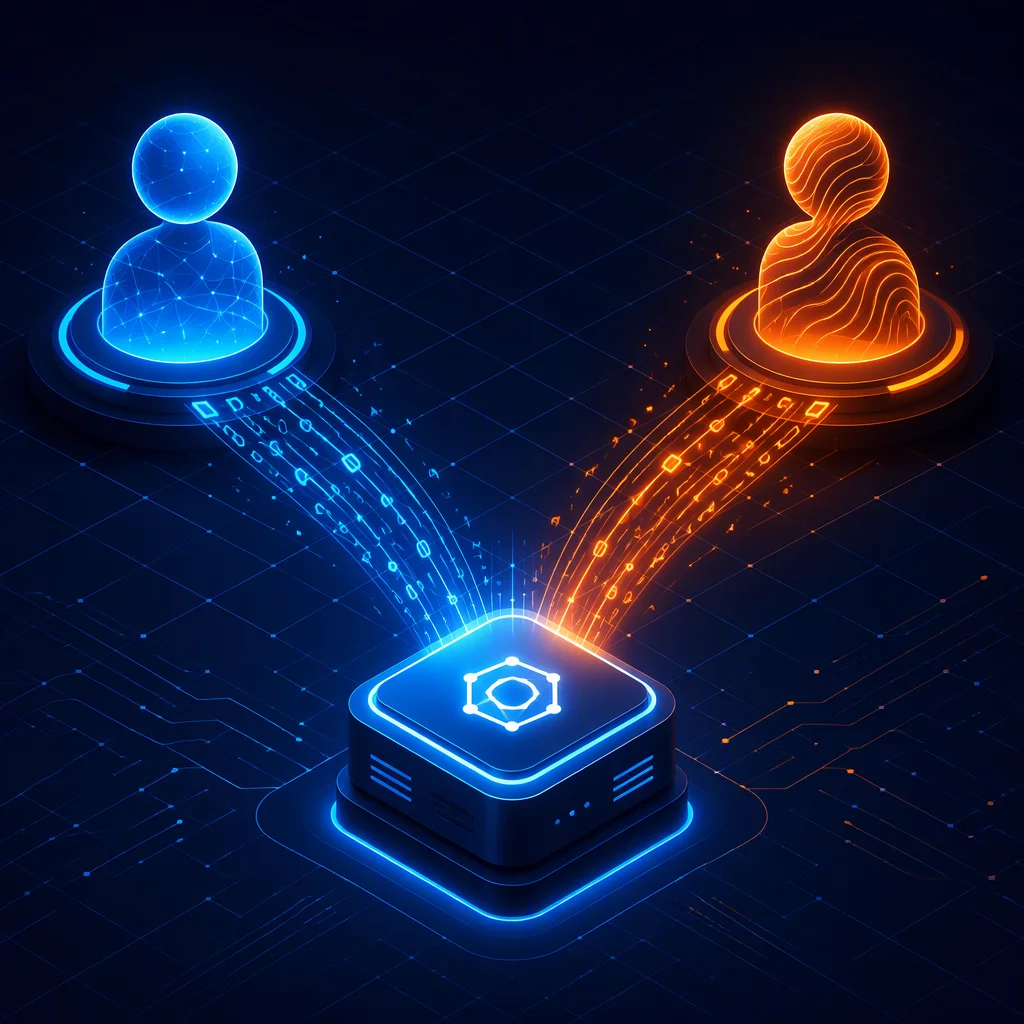
Workflow for safely transferring session control to a tier-2 technician.
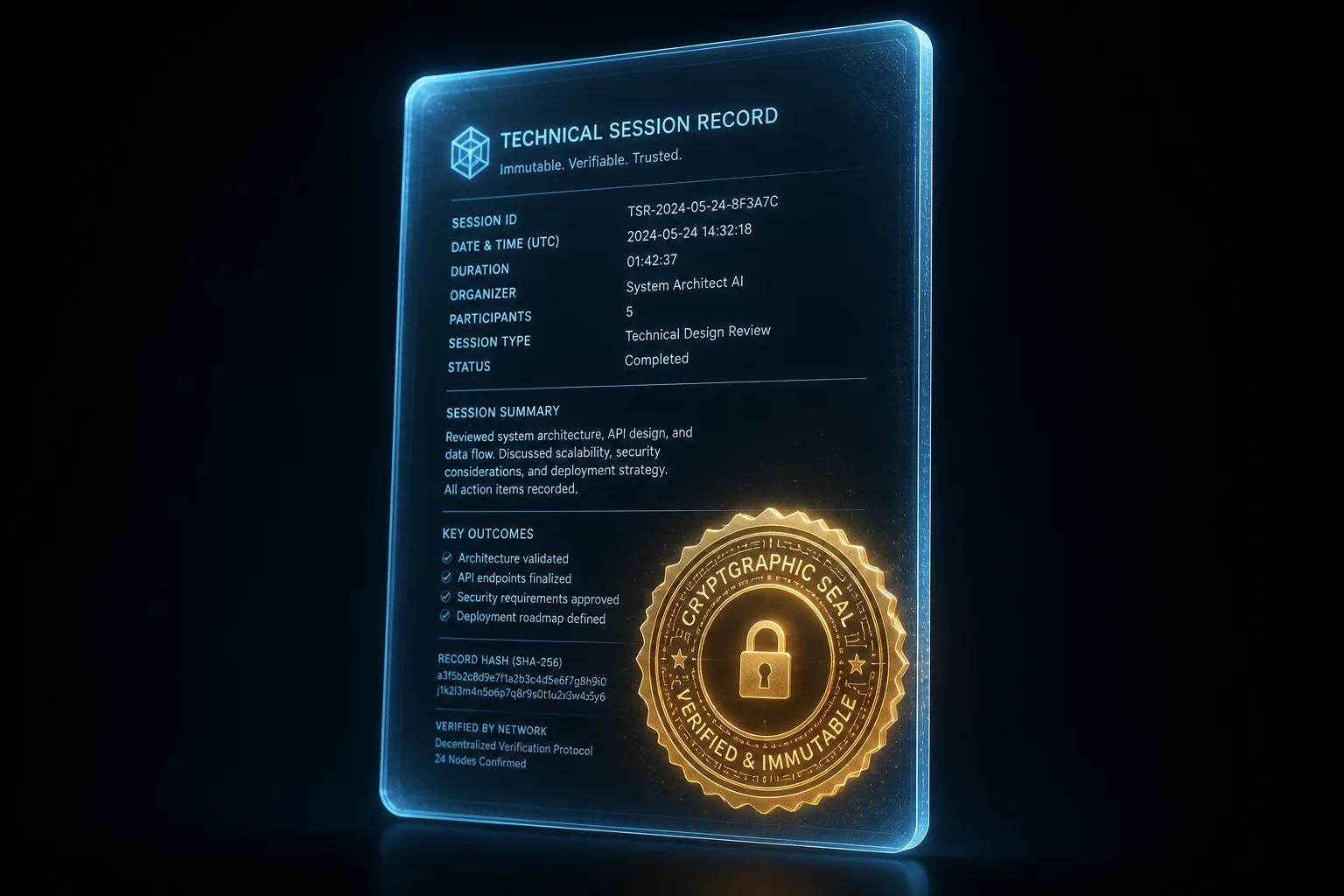
Record the request, permission, device, actions, result, and closure without secrets.
No session scenarios match your search query.
Send a question or comment about the educational playbook.