01 The Inherent Asymmetry of Unattended Connections
When the user may be absent, agree in advance on notifications and the record needed to explain the work. Available product logs and concise technician notes can support accountability, but should not contain unnecessary private material.
Accountability needs a record of who connected, which device was approved, what permission covered, what changed, and how the session ended. Use available access-controlled logs and relevant case notes without collecting unnecessary private content.
"In unattended support workflows, an audit log is not an administrative afterthought; it is the sole witness to system integrity."
— Sarah Jenkins, Infrastructure Security Lead
02 Core Requirements for Cryptographic Audit Trails
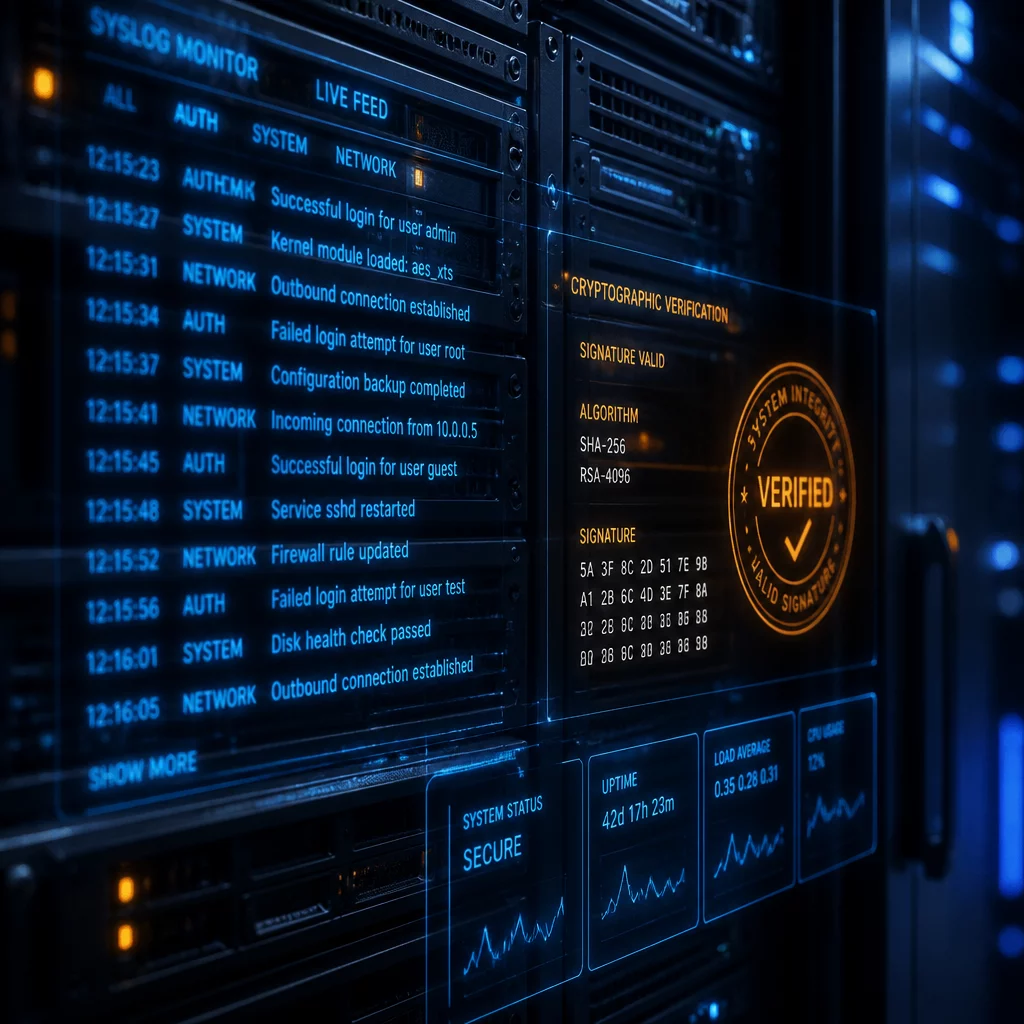
Forensic reliability collapses if session logs reside on local disks where technicians could theoretically modify or truncate them. Centralized, tamper-resistant log forwarding ensures that every diagnostic event is preserved independently of host-level user permissions.
- Centralized SIEM ingestion with immediate remote syslog synchronization upon connection setup.
- Use access-controlled records appropriate to the organization’s policy; do not assume a particular logging mechanism.
- Agree how significant actions or scope changes will be reported to the device owner.
Essential Logging Benchmarks
- Session Initiation & Termination: Exact timestamps, origin IP, multi-factor authentication IDs, and technician seat tokens must be logged before screen rendering begins.
- File Transfer Manifests: Record complete metadata including file names, checksum hashes (SHA-256), target directories, and transfer directionality.
- Post-Maintenance Verification: Share a relevant outcome and closure summary with the designated owner through the agreed channel.
03 Post-Session Verification and Lifecycle Archiving
At closure, verify that the active session has ended, confirm the result with the designated owner, and record any continuing managed access. Retain necessary records according to the organization’s policy rather than assuming automatic log sealing or credential destruction.