Key Operational Distinctions
- The SOS app displays the code; code availability is not proof that a session is closed or that continuing work is authorized.
- A shared code is not complete consent. Agree on the device, task, and visibility before access.
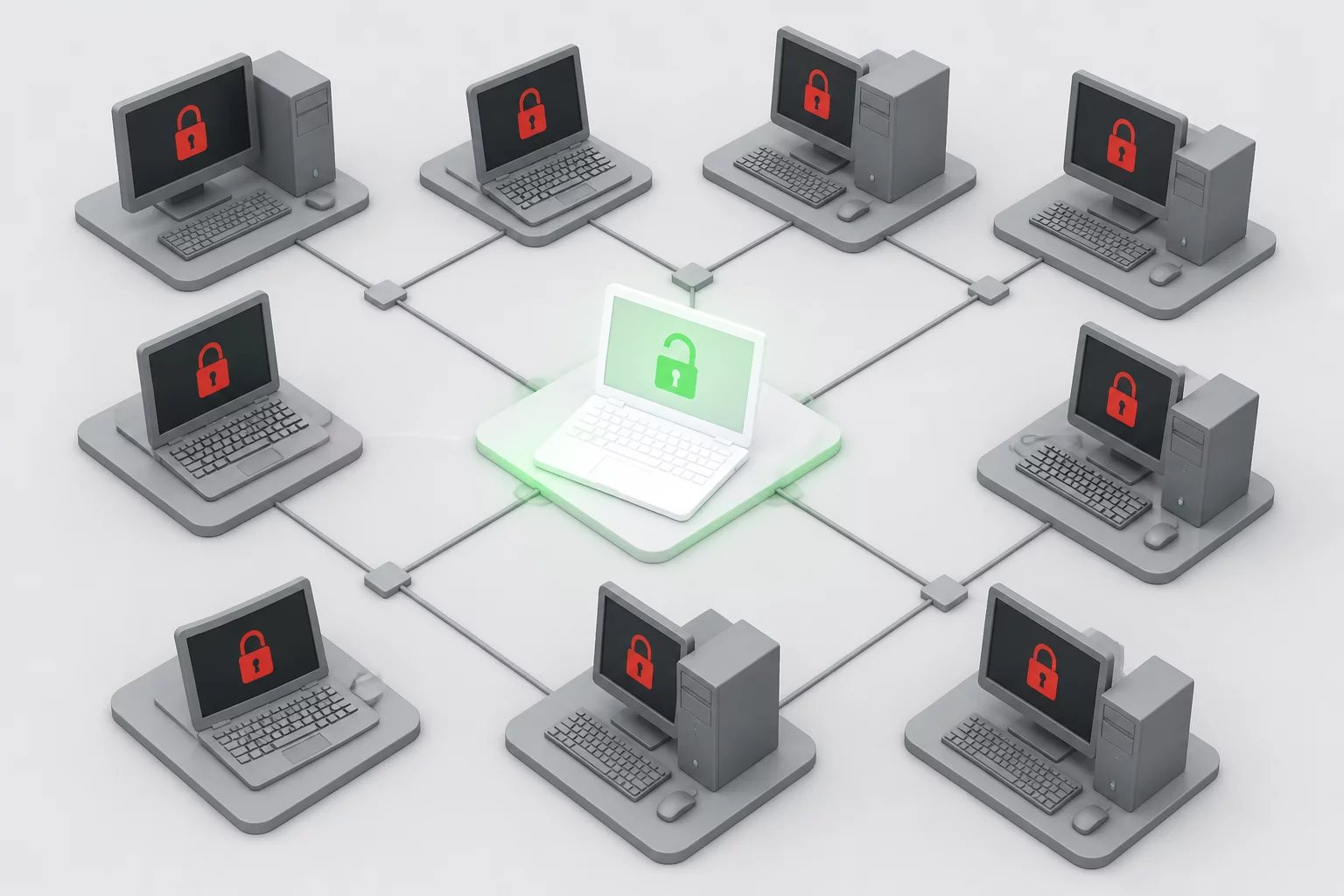
- Long-term support agreements require formal service level definitions, explicit deployment procedures, and dedicated audit logging mechanisms.
Ephemeral Credentials vs Persistent Access
The Architectural Reality of On-Demand Codes
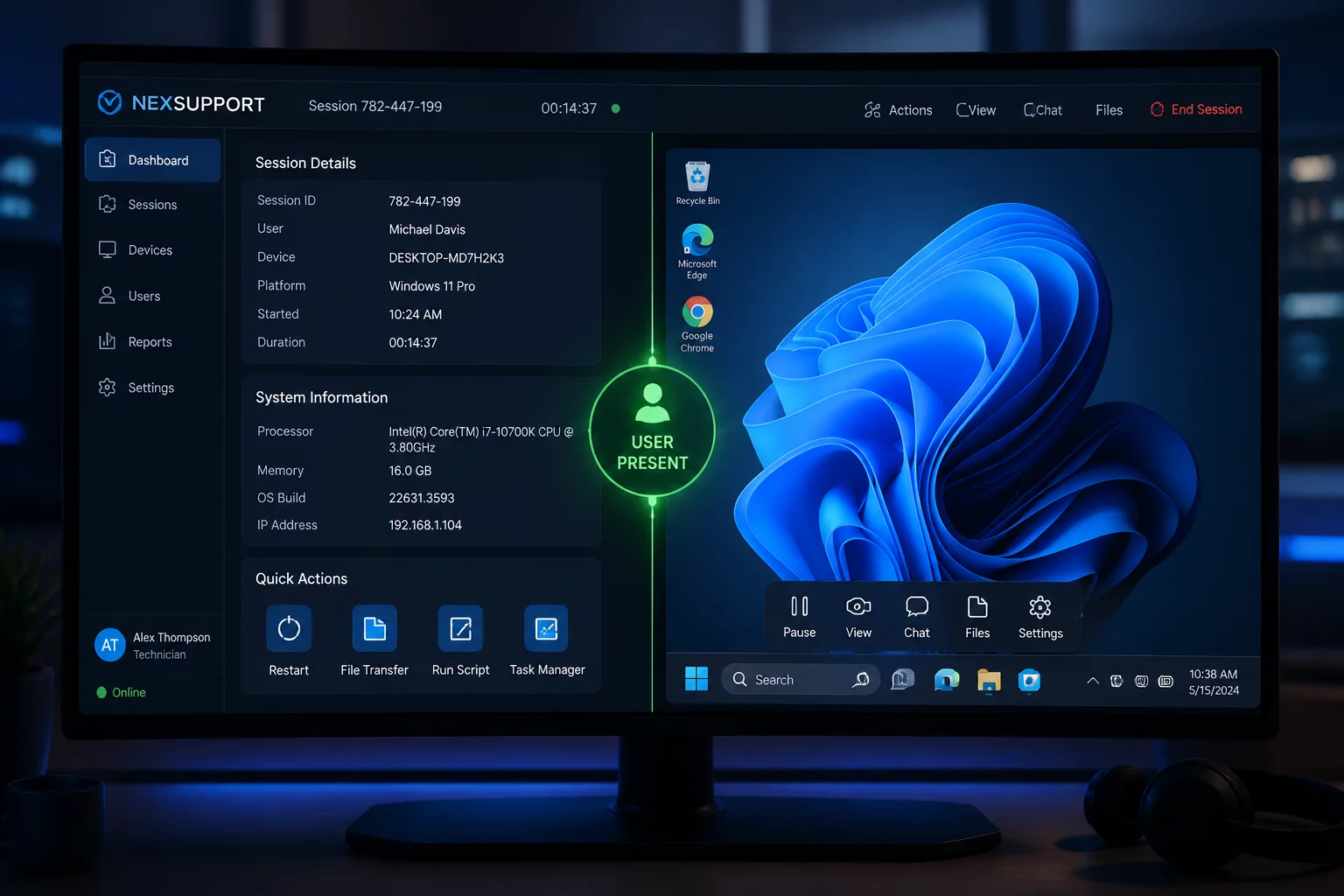
An end user shares a connection code for an agreed support task. The technician can use that code to establish the connection context, but the number does not state what work is permitted. In Splashtop SOS, a code can be reused while the app remains running. Confirm the agreed task and closure separately.
Operational confusion frequently arises when service desks treat this ad-hoc handshake as an implied authorization for broader maintenance. A user granting access to resolve a malfunctioning email client does not sign up for overnight operating system patching or recurring maintenance. Treating temporary connection tokens as open-ended support plans creates serious compliance hazards, erodes user trust, and confuses the strict security perimeter separating attended helpdesk incidents from managed unattended infrastructure.
Technical Comparison
Session Boundary Timeline
Before
Request → Permission
PERMISSION TO CONFIRMAgree on the task and technician before sharing a connection code.
During
Session → Action
SCOPE TO MAINTAINKeep actions within that agreement; a code does not authorize extra work.
After
Confirmation → Closure
CLOSURE TO VERIFYConfirm disconnection and separately discuss any request for continuing access.
“Handing a technician a nine-digit code is the digital equivalent of opening the front door while you stand in the hallway. It is never a surrender of the master keys to the entire building.”
Establishing Clear Service Boundaries
Mitigating Scope Creep and Misaligned Expectations
In modern IT workflows, technicians must explicitly separate immediate ticket remediation from ongoing managed device maintenance. When an attended session code is entered, the technician's focus must remain locked on the specific issue identified during intake. Discovering secondary performance bottlenecks or outdated software components during an SOS call warrants documenting those findings in the ticketing system rather than initiating unprompted configuration changes under a one-time connection.
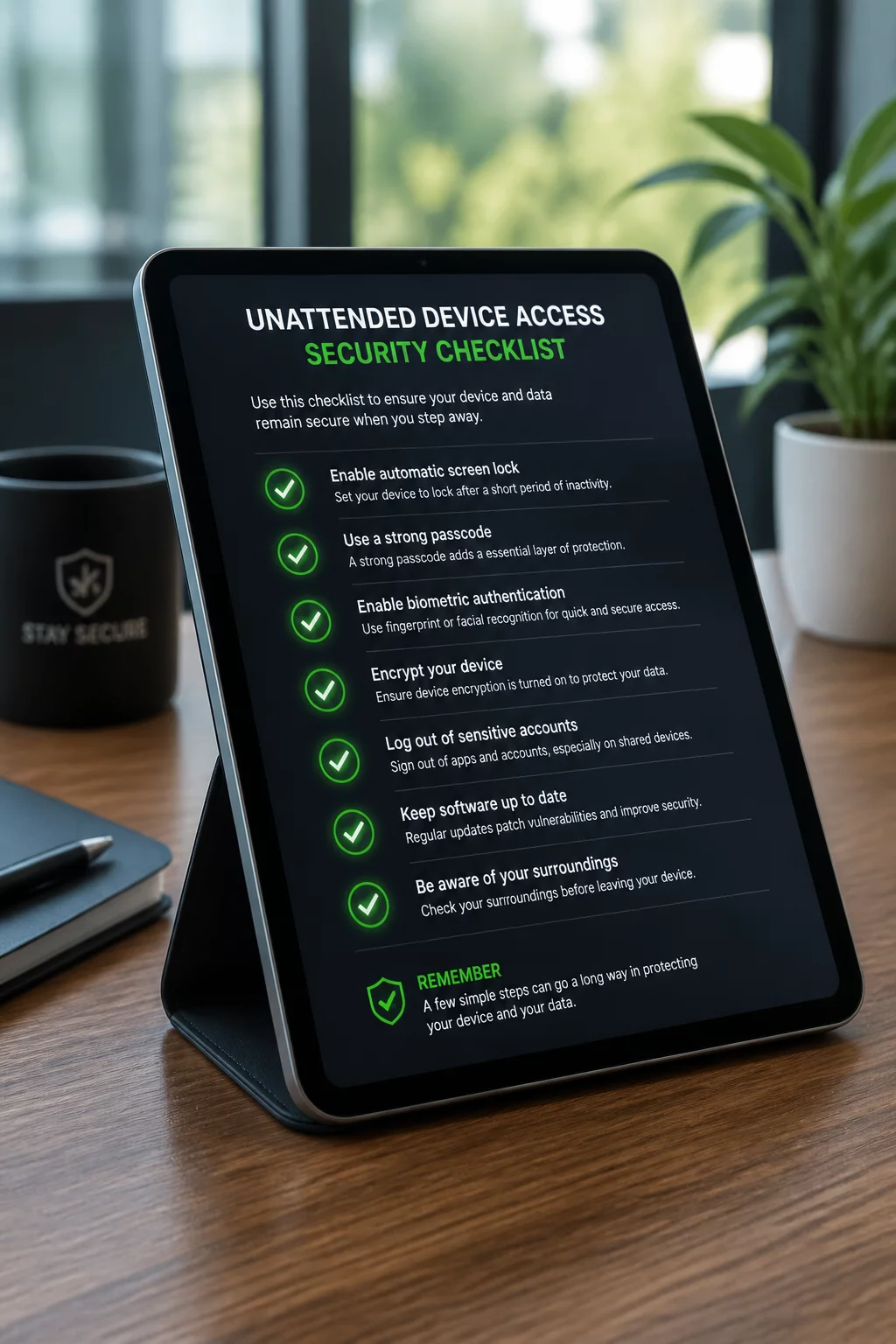
Continuing unattended access needs a separate agreement covering the device owner, authorized technicians, scope, access window, notifications, and revocation. An attended code does not create that agreement. Record what was approved without storing the code or passwords.
Need to audit your remote support consent boundaries?
Explore standard playbook frameworks for delineating attended one-time sessions from managed unattended device access.
Explore Related Scenarios
Related Playbook Scenarios